
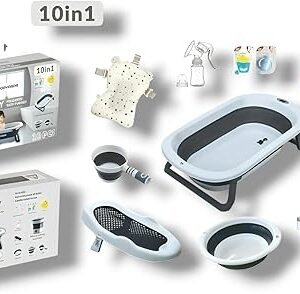
 Popypapa Baby Bath & Laundry | Ultimate Newborn Bathing Bundle (10-Piece Set)
 Subtotal: AED 210.00
All You Need to Know about BPA-Free And Why it is Better for Your Baby!
You’ve probably heard the term “BPA free” circulating frequently among moms.
You’ve probably heard the term “BPA free” circulating frequently among moms. You might be wondering what BPA is, where it is found, and why it is considered harmful to your health and the health of your children. Additionally, you may be curious about the importance of choosing BPA free products. In this article, we’ll provide detailed information about Bisphenol A (BPA) and why opting for BPA free products is beneficial for your child.
What is BPA?
Bisphenol A (BPA) is a chemical used in the manufacturing of many products, including food containers, baby bottles, cups, and plastic children’s utensils. It is also found in the inner lining of canned foods. Manufacturers have been using BPA since the 1950s to produce various plastic products.
The Dangers of BPA
BPA can leach into the human body through food and beverages stored in plastic containers that contain the chemical. A recent study published by the World Health Organization found high levels of BPA in infants who consume formula milk from bottles containing BPA.
Research has shown that exposure to BPA increases the risk of several developmental and health issues in children, such as Attention Deficit Hyperactivity Disorder (ADHD), obesity, childhood diabetes, and other health and behavioral problems.
How to Protect Your Children from BPA
To minimize your child’s exposure to BPA, consider the following tips:
- Avoid Plastic When Possible:
When choosing products for your children, try to opt for glass bottles instead of plastic ones. If you must use plastic bottles, ensure they are labeled BPA free to guarantee they do not contain this harmful chemical. - Read Labels on Toys:
Make sure your children’s toys are also BPA free. Carefully check product labels to ensure safety. - Avoid Microwaving Plastic:
Do not place plastic bottles, cups, or containers in the microwave. Heat accelerates the release of chemicals into food and beverages. Use only glass containers for microwaving. - Limit Canned Foods:
Avoid consuming canned foods and focus on fresh, healthy foods to reduce BPA exposure.
Understanding the dangers of BPA and taking proactive steps to avoid it can have a significant positive impact on your child’s health. By choosing BPA free products and making mindful decisions about the items your child uses daily, you can help ensure their well-being and development. Stay informed and make health-conscious choices for a safer and healthier future for your family.